Instructions for Finding the Correct General Contractor for Your Next Home Project
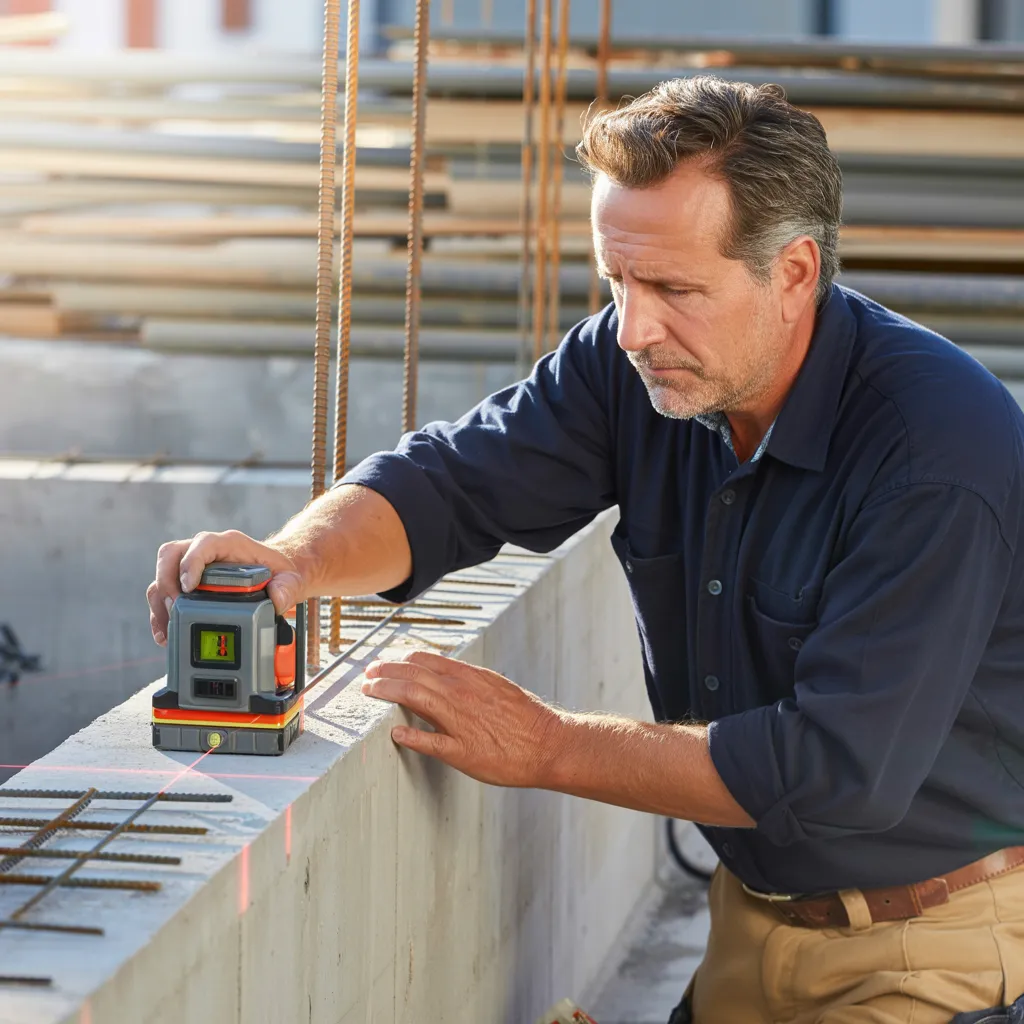
Finding the most suitable general contractor for your home project is a vital choice. It involves meticulous evaluation of numerous factors, such as professional experience, certifications, and dialogue capabilities. Many property owners fail to address important points, causing major financial setbacks. Grasping how to analyze candidate professionals can yield significant results. By emphasizing core criteria and asking pertinent questions, you can navigate this demanding process more effectively. What are the critical actions to guarantee a successful partnership?
How to Circumvent Ordinary Challenges When Choosing a Contractor
When choosing a professional, how can one navigate the countless of choices without falling into typical mistakes? Prospective clients often ignore important factors that can cause disappointing consequences. First, considering price alone can be misleading; the cheapest offer may reflect subpar quality or unexpected expenses. Additionally, neglecting to look at recommendations or digital evaluations can result in employing someone unreliable. It is also necessary to avoid deciding only on likability; a personable contractor may not be skilled or dependable. Moreover, overlooking the importance of clear dialogue and standards can lead to misunderstandings and dissatisfaction. Finally, neglecting to carefully read agreements before signing can lead to surprise liabilities or inadequate coverage. By being watchful and educated, homeowners can make more confident decisions, ultimately leading to a successful project.
Information to Review About a Contractor's Work History
When reviewing a contractor's experience, several key factors become relevant. Experience from similar projects, technical certifications, and an extensive range of completed work demonstrate vital signs of their strengths. Examining these features can yield meaningful perspective into the contractor's appropriateness for the specific project at hand.
Relevant Project Experience
Knowing a contractor's relevant track record is indispensable for guaranteeing the achievement of any building endeavor. Interested parties clients should assess the contractor's works, focusing on completed projects alike in scope and style to their own. This entails assessing the quality of construction work, adherence to timelines, and fiscal management in previous undertakings. Furthermore, it is beneficial to inquire about the assortment of materials applied and the contractor's familiarity with local codes and regulations and provisions. Testimonials and references from past clients can yield perspective into the contractor's faithfulness and interpersonal skills. Ultimately, a contractor with noteworthy relevant experience can navigate challenges adeptly, ensuring the project meets the homeowner's expectations and standards.
Sector Qualifications And Authorizations
Certification and licensing function as essential indicators of a contractor's professional competence and skill in the construction industry. When selecting a general contractor, it is crucial to confirm that they possess the necessary licenses mandated by local and state regulations. These licenses demonstrate adherence to building codes and safety standards. Additionally, industry certifications, such as those from the National Association of Home Builders or similar organizations, reflect a contractor's commitment to quality and ongoing education. Contractors with specialized certifications may also have skills in specific areas, such as green building or remodeling. Ensuring that a contractor has the appropriate credentials not only improves confidence in their capabilities but also reduces potential legal and financial risks during the project.
Portfolio Of Completed Work
A tradesperson's portfolio containing accomplished work functions as an crucial asset for judging their experience and competencies. This set ought to feature a diversity of projects, showing versatility in multiple styles and complexities. When analyzing a portfolio, potential clients should pay attention to high-quality images that distinctly depict the workmanship involved. It is also advantageous to see projects that correspond to the homeowner's particular requirements or visual preferences. Attention to detail, ingenious solutions, and sticking to timelines are vital signs of a contractor’s expertise. Additionally, client testimonials or case studies included in the portfolio can provide deeper insights into the contractor's work ethic and reliability. Ultimately, a strong portfolio can assist homeowners in making smart choices about their future projects.
How to verify Your Contractor Credentials and Licenses
Before engaging a general contractor, it is vital to confirm their qualifications and certifications to ensure they meet industry standards. Start by checking with regional licensing authorities to ensure that the contractor maintains the required permits for your area and project type. Each state has its own standards, so understanding these can prevent future problems.
Furthermore, inquire about insurance coverage, including liability and workers' compensation, to ensure safeguarding against potential accidents or damages. Obtain references from previous clients and follow up to gauge satisfaction and dependability.
Ultimately, check any qualifications the contractor may hold, as these often show specialized training and commitment to industry best practices. A detailed verification process not only assures compliance but also creates confidence in the contractor's ability to complete the project successfully.
Why Effective Communication Is Important in Your Contractor Working Relationship
Dialogue that is effective is fundamental in the contractor-client relationship, shaping the project's outcome from the beginning. Transparent discussion defines expectations, timelines, and budgets, making certain both parties share alignment on the project's goals. When clients articulate their vision with clarity, contractors can provide well-informed suggestions and solutions, boosting the overall result.
Regular updates and accessible lines of communication support speedy handling of issues as they occur, limiting potential delays. Furthermore, a contractor who listens to and acts on client feedback nurtures confidence, which is indispensable for working together.
Furthermore, efficient communication aids in managing changes and unexpected challenges, maintaining the project helpful information on course. It enables the builder to modify strategies based on customer feedback, ensuring contentment during the entire journey. In the end, emphasizing engagement not only reinforces the contractor-client relationship but also substantially aids in the timely completion of the home project.
Essential Questions to Ask Your Builder in First Consultations
When meeting initially with a contractor, clients must focus on their experience. It's essential to discuss the project timeline and budget to confirm alignment with the client's expectations. These questions create a foundation for a effective partnership and productive project management.
Experience and Credentials
Choosing a main builder relies on understanding their experience and skills. Homeowners should request information on the contractor's length of service and the types of projects they have completed. Key inquiries about licenses, official qualifications, and insurance are vital, as these guarantee compliance with local regulations and provide protection during the project. Furthermore, reviewing past work through portfolios or testimonials can provide a perspective into the contractor's ability and reliability. It is additionally advantageous to query about their knowledge with related tasks, as this can indicate their capability to face particular obstacles. Ultimately, assessing a contractor's experience and qualifications inspires assurance and helps homeowners make informed decisions about their home projects.
Project Timetable and Financial Allocation
How can homeowners guarantee their undertaking stays on budget track and temporally when meeting with a general contractor? To maintain alignment, they should ask significant questions during initial meetings. Homeowners must ask regarding the projected schedule for completion of the work and any possible setbacks that could arise. Comprehending the contractor's approach to managing schedules is essential. Additionally, discussing the budget upfront is important; homeowners should obtain clear information on pricing estimates, payment schedules, and any included contingencies for unforeseen expenses. Inquiring into previous projects can offer understanding into the contractor's dependability in hitting timelines and maintaining budget constraints. By creating open dialogue regarding timelines and finances, homeowners can cultivate a collaborative partnership with their contractor, enhancing the probability of a successful project.
Guidance on Validating References and Reading Reviews
What steps should one implement to guarantee a general contractor is dependable? First, it is essential to obtain a list of recommendations from potential contractors. A credible contractor will readily provide names and contact information of previous clients. One should phone these references to ask about their experiences, focusing on aspects such as communication, craftsmanship, and adherence to timelines.
Additionally, reading online reviews on platforms like Google, Yelp, or Angie's List can provide useful information. It is crucial to identify patterns in the reviews—recurring compliments or complaints can indicate dependability or possible problems.
Moreover, looking for any complaints filed with local regulatory agencies or consumer protection agencies can reveal a contractor's history. Finally, asking for recent project photos can help evaluate the standard of their services. By implementing these steps, one can make a more informed selection when hiring a building contractor.
Comprehending Contractor Pricing Strategy and Payment Terms
Homeowners should also become aware of common billing terms. Most contractors insist on a deposit upfront, followed by progress payments corresponding to project milestones. It's paramount to establish these terms before making a commitment to steer clear of misunderstandings. Additionally, homeowners should ask about possible added expenses, such as permits or unexpected repairs. Clear dialogue pertaining to cost and payment structures will aid in a open working relationship, ultimately guaranteeing a favorable project outcome. Comprehending these factors prepares homeowners to select appropriately when picking a general contractor.
Frequently Requested Questions
How considerable duration will it take to conclude the project?
Project timelines often vary with complexity levels and project scope. In most cases, anticipate several weeks to months for completion. Climate, material sourcing, and available workers can significantly influence the overall schedule for completion.
What Takes Place if Unanticipated Problems Arise During Development?
If unexpected issues arise during construction, the contractor usually evaluates the circumstances, communicates with the homeowner, and proposes solutions. Adjustments to the schedule and budget may be necessary, guaranteeing openness throughout the process.
Does My Project Require Permits or Inspections?
The majority of initiatives necessitate permits and inspections to guarantee compliance with local building codes. It is vital to engage a general contractor who understands these mandates, as they can handle the permitting process skillfully.
How Do Subcontractors and Payment Arrangements Managed By You?
A trustworthy construction professional oversees sub-contractors by creating clear contracts outlining compensation schedules. They ensure prompt payment, maintain transparent dialogue, and monitor subcontractor performance, promoting a collaborative environment that aids in project success and productivity.
What Are Your Guidelines Regarding Project Revisions or Updates?
The contractor implements a accommodating strategy regarding project changes, requiring written documentation for any upgrades. They affirm clear communication, assess cost implications, and revise timelines in response to accommodate the client's variable requirements and interests.